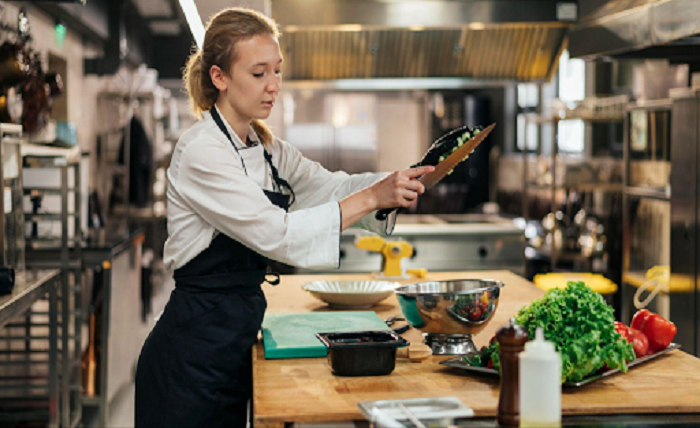
Miami’s dining scene doesn’t slow down, ever. It only shifts gears with the seasons. From the holiday crowds filling up hotel restaurants to spring break visitors lining up for late-night meals, the city’s kitchens run on a rhythm tied to tourism.
Anyone working in the industry knows this cycle creates both opportunity and pressure. You’ll find many openings when the city is packed, but the pace can test your energy and commitment.
If you’ve ever thought about taking on a line cook, steady prep work, or kitchen manager jobs in Miami, you should know how the seasonal flow shapes the work and what you can do to make the most of it.
Seasonal Demand for Kitchen Jobs in Miami
Miami’s visitor seasons change fast. From December through April, the city gets packed. December to February are the busiest months. The weather is milder, dry, and low humidity. People are out more, and that means restaurants, resorts, and hotels need more staff.
March through May keeps up some of that energy. Events still draw crowds, though hotel prices often ease a bit after the peak winter rush. Then from June to November, things slow down. But that off-peak stretch still offers work, just on a different scale.
Here’s what recent data shows: In 2024, Greater Miami saw a record number of visitors — over 28 million. Tourists spent around $22 billion in Miami-Dade County. That pushed the tourism sector to support 209,000 jobs, more than ever before.
Opportunities for Kitchen Workers
More than just crowds of food lovers, seasonal shifts in Miami also bring openings in kitchens all over the city. Time it right, and you can take advantage of these busy months. Here’s how.
Higher Demand for Staff
The busiest months push restaurants, hotels, and catering companies to hire more workers than usual. Line cooks, prep cooks, dishwashers, managers and even banquet staff are needed to keep up with the flow of guests.
This is when it’s easier to find openings, even if you don’t have years of experience. For many, seasonal demand is the door into Miami’s food industry, because kitchens can’t afford to leave positions unfilled when every table is booked.
Chance to Gain Experience
Seasonal work comes with a faster pace and higher expectations. And while this sounds tough, it’s one of the best ways to sharpen your skills.
There’s a good chance you’ll be cooking for larger crowds, managing longer shifts, and helping with special events or big catering orders. Each of these experiences helps you get used to working under pressure.
Networking and Career Growth
Let’s not forget about the people you can meet during seasonal work. Chefs and managers notice who shows up on time, learns quickly, and works well with others.
Building relationships during these months could lead to a permanent job offer when the season ends. Even if it doesn’t, staying in touch with the right people means you’ll be the first call when the next season starts.
Challenges to Be Aware Of
While the busy season brings more openings, it also brings its own set of difficulties. Here are the less-talked-about sides.
Long Hours and Stress
When tourists fill the city, kitchens run longer and harder. What this means is double shifts, late nights, and weekends.
You may find yourself jumping between prep work, line cooking, and cleanup just to keep things moving. With every seat filled and tickets piling up, the pace can feel nonstop.
Job Security
The other side of the coin is that many positions are temporary. Once the rush slows, kitchens often cut back on staff. It’s possible to go from steady hours in January to very few in June.
For those who depend on consistent pay, this cycle can make things difficult.
Cost of Living in Miami
Even with extra shifts during peak season, wages don’t always stretch far in a city like Miami. Rent, groceries, and transportation are higher than in many other areas.
If you’re new to the city, finding affordable housing close to work can be one of the biggest obstacles.
Conclusion
Seasonal kitchen work in Miami has two sides. On one hand, you’ll find plenty of openings, valuable experience, and connections that can impact your career. On the other, you’ll face long hours, temporary contracts, and the high cost of living that comes with the city.
Seasonal jobs may not last forever, but they can be the steppingstone that brings you closer to steady work in one of the most alive food scenes in the country.