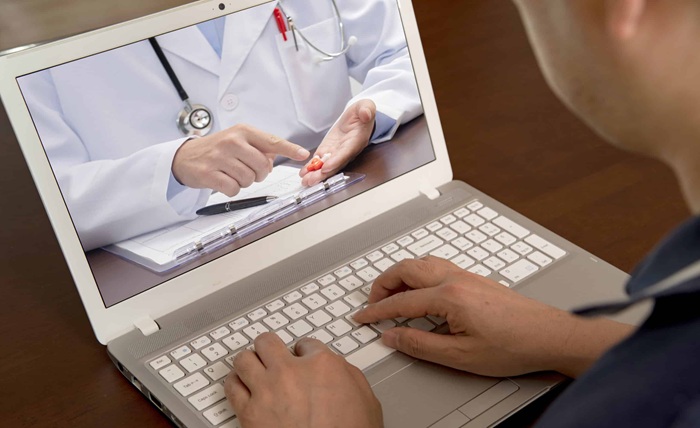
Telehealth is now part of everyday medicine in Texas. It expands access for people balancing work, distance, mobility, or caregiver duties. It also raises important questions about clinical standards, prescribing, and when an in-person exam is still the safer choice. The phrase often used—Texas telehealth—covers many care models under a single regulatory framework.
Within this ecosystem, some services provide video-based clinical visits rather than operate brick-and-mortar clinics. For example, Medispress provides flat-fee telehealth visits with licensed U.S. clinicians via video appointments in our secure, HIPAA-compliant app. Clinicians make all clinical decisions. When clinically appropriate, providers may coordinate prescription options through partner pharmacies, subject to state regulations.
How telehealth works under Texas rules
Texas regulates telemedicine to ensure the same standard of care patients expect in person. If you are physically in Texas during a visit, your clinician generally needs appropriate Texas licensure. Your location at the time of care is what matters for licensing and applicable state rules.
Clinicians may establish a valid patient‑practitioner relationship through telemedicine when the standard of care can be met. Video visits are common because they allow a fuller clinical assessment. Some services may use phone calls or secure messaging in defined situations, but the clinician still must meet the standard of care and document the encounter.
Texas sets expectations on identity verification, informed consent, documentation, and continuity of care. For background, see the Texas Medical Board telemedicine guidance. The guidance explains how clinicians practice within state rules, including prescribing considerations and professional responsibilities.
What telehealth can safely address—and when it is not appropriate
Telehealth can be effective for many non‑emergency needs. Clinicians use structured histories, visual exams over video, and clinical judgment to diagnose and guide treatment. Examples often suitable for virtual care include:
- Common infections with clear symptoms, such as uncomplicated urinary tract infections or sinusitis
- Mild skin conditions, including rashes, acne flares, or insect bites
- Medication refills and treatment checks for stable, chronic conditions when monitoring can be done remotely
- Mental health counseling and follow‑up for conditions such as anxiety or depression
- Allergies, mild asthma symptom reviews, or migraine follow‑ups
Some situations need in‑person or emergency care because a physical exam, imaging, or procedures are likely required. Seek urgent or emergency care for:
- Chest pain, severe shortness of breath, or signs of stroke
- Severe abdominal pain, high fever with confusion, or dehydration
- Head injury, major trauma, or uncontrolled bleeding
- Pregnancy emergencies or severe allergic reactions
If a condition appears beyond what can be safely handled online, clinicians should advise immediate in‑person evaluation.
Prescribing through telemedicine in Texas
Prescribing decisions rest with the clinician. After assessing your symptoms and medical history, a clinician may determine that medication is appropriate, may recommend non‑drug treatments, or may refer you for in‑person evaluation. Electronic prescribing for non‑controlled medications is common when the standard of care is met and state rules allow.
Controlled substances are more tightly regulated. Federal and Texas rules include added safeguards, which can limit whether certain controlled medications are prescribed via telemedicine. In many cases, an in‑person exam or specific exceptions are required. Texas clinicians also check the state Prescription Monitoring Program before prescribing controlled substances, which supports patient safety and helps prevent misuse.
Pharmacies remain independent of the telehealth visit. Some services coordinate prescription options with pharmacies when it is clinically appropriate and permitted by state regulations. Your clinician will consider the diagnosis, risks, benefits, and your medical history before deciding on any medication plan.
Preparing for a video appointment
A little preparation improves both safety and efficiency:
- Choose a quiet, private space with reliable internet and good lighting.
- Have a list of your current medications, allergies, and key medical history.
- Be ready to describe symptom onset, severity, and what helps or worsens them.
- If relevant, prepare recent home readings such as temperature, blood pressure, weight, or peak flow.
- Keep a government‑issued ID nearby for identity verification if requested.
- For skin issues, ensure your camera can focus on the affected area; follow any instructions about sharing images safely through the platform.
- If the patient is a minor, have a parent or guardian present unless a specific legal exception applies.
Expect your clinician to discuss risks and benefits, obtain consent, and explain the care plan. Ask what to watch for, how to follow up, and when to seek in‑person care. If symptoms worsen or new red flags appear, escalate to urgent or emergency services as directed.
Eligibility, consent, and privacy
Adults can generally consent to their own telehealth care. Minors typically need consent from a parent or legal guardian, except in limited circumstances defined by Texas law. When scheduling for a child, confirm consent requirements ahead of time.
Privacy is a shared responsibility. HIPAA‑compliant platforms are designed to protect health information with administrative, technical, and physical safeguards. Patients can support privacy by using secure networks, updating apps and devices, and conducting visits in a private setting. Ask how your data is stored, who can access it, and how records are shared if you also see in‑person clinicians.
Telehealth is not a workaround for rules. The same ethical and professional standards apply whether you meet your clinician online or in an exam room. You may decline care if you are uncomfortable with the setting, the technology, or any part of the plan.
Coordinating care across settings
Telehealth complements in‑person services. Many patients use virtual visits for first‑line evaluation and then follow in person if needed. If a clinician recommends an in‑person exam, imaging, or labs, they will explain why and outline next steps. Keep your own notes from the visit and ask what information you should share with your primary care team.
Texas patients receive the same core protections online as they do in clinics, including clinician accountability through state licensure. If you have questions about standards, professional conduct, or prescribing, review state guidance or speak with the clinician during your visit. The goal is a safe, practical pathway that respects both access and clinical quality.
Medical disclaimer: This content is for informational purposes only and is not a substitute for professional medical advice.
In summary, virtual care is a useful tool when matched to the right problems. Know when video visits make sense, understand how Texas rules shape practice, and prepare for your appointment. Thoughtful use of telehealth can reduce delays without lowering the bar for safety or clinical judgment.