Nutrition has become one of the most important pillars of athlete development in professional basketball. As the game has grown faster and more physically demanding, players have recognized that diet can be as crucial as training and conditioning. Instead of relying on raw talent or traditional weight room programs alone, today’s stars follow detailed nutrition plans to improve recovery, boost energy, and extend their careers.
The growing emphasis on nutrition is easy to understand when considering the fine margins that separate teams in the NBA. When fatigue or inflammation can affect a player’s performance and potentially shift the NBA standings, nutrition becomes a competitive advantage rather than a lifestyle choice. Teams now employ full-time dietitians, chefs, and performance scientists whose primary goal is keeping players fueled properly from training camp to the playoffs.
Who are the Famous Examples?
One of the most famous examples of nutrition-driven transformation is LeBron James. Early in his career, James relied heavily on his natural athleticism, but as he entered his thirties, he adopted a strict regimen built around lean proteins, vegetables, and low-sugar carbohydrates. Reports have highlighted that he eliminated processed foods and emphasized hydration as a daily priority. This careful approach allows him to maintain durability and explosive power even as he plays more minutes than most players of his generation. His longevity has become a model for younger athletes hoping to maximize their prime years.
Another well-known example is Chris Paul. After switching to a plant-based diet, Paul spoke openly about experiencing reduced joint pain and faster recovery times. For a player who depends on agility and directional changes, decreased inflammation can be the difference between missing games and maintaining peak performance. His shift helped popularize plant-based eating among other athletes who wanted to explore alternatives to traditional protein-heavy diets.
Giannis Antetokounmpo also made significant changes as he transformed from a lanky rookie to one of the league’s most dominant forces near the basket. Giannis increased his caloric intake dramatically, emphasizing whole foods such as chicken, rice, fruits, and nuts to support muscle growth and his physically punishing style of play. Performance staff monitored his macronutrient ratios during his development years to ensure he added lean mass without sacrificing mobility. The result is a uniquely powerful physique that balances size, strength, and speed.
The Science Behind it
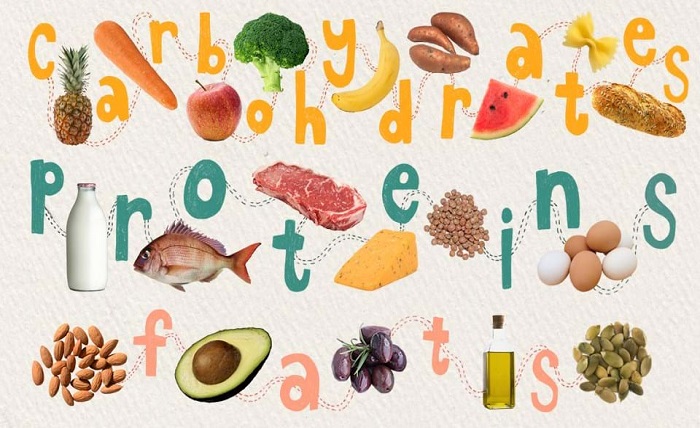
These personal success stories align with modern sports science. Nutrition research shows that athletes perform best when they consume balanced meals that stabilize blood glucose, support muscle repair, and maintain hormonal health. Carbohydrates remain essential for players who run several miles per game at high intensity, while proteins support muscle growth and recovery. Healthy fats help with inflammation control and long-term energy stability.
Hydration science also plays a major role in basketball nutrition. Studies show that even mild dehydration can decrease reaction time, impair decision-making, and reduce vertical leap. Because games often involve long stretches of play without breaks, teams use hydration testing, electrolyte monitoring, and personalized fluid plans to keep players in peak condition. Nutritionists track sodium loss rates and sweat profiles so each player receives exactly what they need before and after games.
Recovery nutrition has become equally important. After workouts or games, players typically consume protein and carbohydrate blends designed to replenish glycogen and repair muscle fibers. Smoothies, shakes, and whole food meals are scheduled within tight time windows to maximize absorption. Teams often use tart cherry juice, omega-3 supplements, and antioxidant-rich foods to fight inflammation and support sleep quality.
Sleep, in fact, is considered part of nutrition planning. Many teams coordinate meal timing and nutrient composition to help regulate melatonin and cortisol levels, creating better sleep cycles for players who travel frequently and compete under intense stress. Foods rich in magnesium or tryptophan, such as nuts and lean poultry, are commonly recommended on the road to improve rest and recovery.
While stars like LeBron, Paul, and Giannis receive much of the attention, nearly every young player entering the league today receives individualized nutrition guidance. Rookies often arrive with inconsistent eating habits or high metabolisms that struggle to maintain muscle mass across the long season. Performance departments teach them how to build consistent routines that match their playing style, position, and physical goals. Guards may focus on maintaining speed and endurance, while centers may prioritize strength and joint health.
The science behind nutrition will continue to evolve as researchers uncover new information about metabolism, gut health, and inflammation. Wearable technology is already helping teams track energy expenditure more accurately, which leads to more precise fueling strategies. Some teams even explore genetic testing to understand how players metabolize certain nutrients.
Nutrition has become more than an add-on to physical training. It is now one of the fundamental tools that shape how players prepare, perform, and recover. As the game grows more intense and the competition tighter each year, the edge that comes from proper fueling will only become more valuable. If the modern NBA has taught fans anything, it is that health and performance are built meal by meal, one day at a time.