In recent years, CBD for dogs has become one of the fastest-growing wellness trends among pet owners. As people increasingly turn to natural alternatives for their own health, many are also discovering the benefits of CBD for their pets — especially for managing anxiety, inflammation, and pain.
But as the market continues to expand, it’s natural for pet parents to ask:
How does CBD actually work for dogs?
And is it truly safe in 2025?
Let’s take a closer look at the science, safety, and effectiveness of CBD for dogs, so you can make an informed decision for your furry companion.
1. Understanding What CBD Is
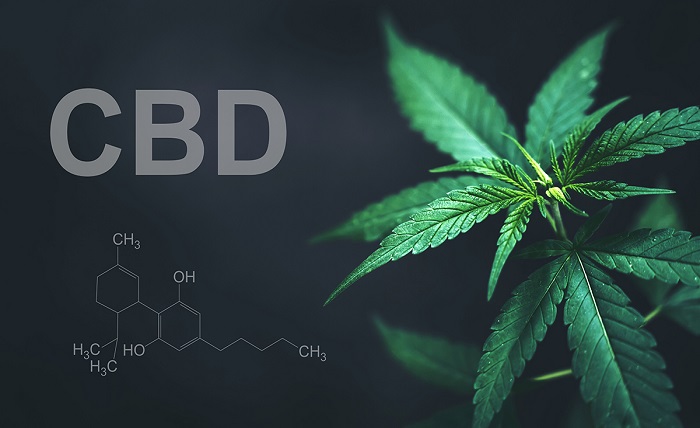
CBD, short for cannabidiol, is one of more than 100 active compounds found in the hemp plant. Unlike THC (tetrahydrocannabinol), CBD is non-psychoactive — meaning it won’t make your dog feel “high.”
Instead, CBD interacts with the body’s endocannabinoid system (ECS) — a biological system found in all mammals, including humans and dogs. The ECS plays a crucial role in maintaining balance in processes such as mood, appetite, pain perception, and immune response. You can buy the best CBD for pets from here https://cbdfx.com/collections/cbd-for-pets/.
In simple terms, CBD helps your dog’s body find balance naturally — supporting calmness, comfort, and overall well-being.
2. How CBD Works in Dogs
The endocannabinoid system (ECS) is made up of three main components:
- Endocannabinoids (natural molecules produced by the body)
- Receptors (CB1 and CB2)
- Enzymes (that break down cannabinoids after use)
CBD interacts with these receptors to promote stability and homeostasis.
CB1 Receptors
Located mainly in the brain and central nervous system, CB1 receptors help regulate mood, movement, and coordination.
CB2 Receptors
Found in the immune system and organs, CB2 receptors influence inflammation and pain response.
When your dog takes CBD, it doesn’t bind directly to these receptors. Instead, it stimulates the ECS to produce more of its own cannabinoids, helping regulate anxiety, pain, and immune balance in a gentle, natural way.
This explains why many pet owners report improvements in their dogs’ calmness, joint mobility, and sleep quality after regular CBD use.
3. Common Reasons Pet Owners Use CBD for Dogs
CBD has become popular among veterinarians and pet owners because of its wide range of potential benefits. Some of the most common uses include:
a. Anxiety and Stress
Dogs can experience anxiety from separation, loud noises, or travel. CBD supports relaxation by interacting with serotonin receptors in the brain, helping to stabilize mood and promote calm behavior.
b. Joint and Mobility Support
As dogs age, joint stiffness and inflammation are common. CBD’s natural anti-inflammatory properties may help improve mobility, reduce discomfort, and support joint health — making it a popular supplement for senior dogs.
c. Pain Relief
CBD can help manage chronic pain by reducing the transmission of pain signals in the nervous system and lowering inflammation around affected tissues.
d. Skin and Allergy Support
CBD’s anti-inflammatory and antioxidant effects can also soothe itchy skin, rashes, and irritation. Topical CBD products are especially useful for localized issues.
e. General Wellness
Even healthy dogs benefit from CBD’s ability to support immune health, promote better sleep, and reduce stress. It’s often used as a daily supplement for overall balance.
4. Is CBD Safe for Dogs in 2025?
Yes — CBD for dogs is generally considered safe, provided it is high-quality and specifically formulated for pets.
However, not all CBD products are created equal. The rise in popularity has also led to a flood of unregulated brands, making product quality and testing more important than ever.
Here are key points to ensure safety:
a. Always Choose Pet-Specific CBD
CBD oils or treats made for humans may contain ingredients (like artificial sweeteners or flavorings) that are toxic to pets. Always use pet-formulated CBD labeled as safe for dogs.
b. Go for Third-Party Tested Products
Reputable brands provide Certificates of Analysis (COAs) from independent labs. These verify that the product is free of pesticides, heavy metals, and harmful contaminants.
c. Start with a Low Dose
CBD affects dogs differently based on their size, weight, and health condition. Begin with a low dose (1–2 mg of CBD per 10 lbs of body weight) and observe your dog’s response before increasing gradually.
d. Watch for Side Effects
Although rare, some dogs may experience mild drowsiness, dry mouth, or changes in appetite. These effects usually fade as the body adjusts. If they persist, consult your veterinarian.
e. Consult Your Veterinarian
Always speak to your vet before adding any supplement to your dog’s routine, especially if they are on medication or have an existing condition.
5. How Long Does It Take for CBD to Work in Dogs?
CBD doesn’t produce instant results. The timing depends on the form of the product and your dog’s metabolism.
| Form of CBD | How It’s Used | When It Works | Duration |
| CBD Oil | Placed under the tongue or mixed with food | 20–45 minutes | 4–6 hours |
| CBD Treats | Eaten and digested | 45–90 minutes | 6–8 hours |
| CBD Topicals | Applied on skin | 15–30 minutes | Localized relief |
For best results, use CBD consistently. The effects often become more noticeable after one to two weeks of regular use.
6. How to Choose the Right CBD for Your Dog
Selecting a trusted product is crucial for safety and results. Look for these key factors:
- Full-spectrum or broad-spectrum CBD (includes beneficial cannabinoids and terpenes without THC or with <0.3% THC)
- Organic hemp sourcing
- No artificial additives or preservatives
- Clear dosing instructions
- Positive customer reviews and veterinary recommendations
Top-quality CBD brands for pets often list batch numbers and lab results directly on their packaging — a mark of transparency and trust.
7. The Legal Status of CBD for Pets in 2025
In 2025, CBD derived from industrial hemp (containing less than 0.3% THC) remains federally legal in the United States, under the 2018 Farm Bill.
However, regulations continue to evolve. While it’s legal to purchase and use CBD pet products in most states, some regions still have restrictions on labeling or veterinary recommendations.
Pet owners should always check their local laws and ensure they’re purchasing from FDA-compliant, transparent brands.
8. The Future of CBD for Pets
The CBD pet wellness industry is projected to grow exponentially through 2025 and beyond. More veterinarians and research institutions are studying CBD’s potential for managing pain, anxiety, and cognitive decline in dogs.
We can expect:
- More clinical studies validating safety and dosage standards.
- Advanced formulations designed specifically for pets.
- Greater regulation ensuring product consistency and consumer safety.
CBD is moving from being a wellness “trend” to a scientifically recognized supplement for long-term pet health.
9. Final Thoughts
CBD for dogs has proven to be a promising tool in modern pet wellness — helping manage pain, anxiety, inflammation, and general well-being naturally.
When sourced responsibly and administered correctly, CBD is safe for dogs in 2025 and continues to be backed by growing research and veterinary support.
As a pet parent, the key is to choose high-quality, pet-specific products, follow dosing guidelines carefully, and maintain regular communication with your veterinarian.
CBD won’t transform your dog overnight, but with consistency and care, it can support a calmer, happier, and more balanced life for your furry companion.