Trying to follow oil reuse rules can seem overwhelming, but knowing these regulations is very important for businesses that want to follow the law and lower costs. So, what are oil reuse rules, and why should you care? In short, they’re the rules about how to handle, store, and get rid of used oil safely to protect the environment and public health. Breaking these rules can mean big fines, damage to your reputation, or even your business shutting down.
But following them lets you save money, help the environment, and build a more sustainable business. For example, managing used cooking oil properly can earn your business rebates. Recycling used motor oil also saves resources and energy. If you own a restaurant, learning how to save oil after frying is a great start toward saving money and following these rules.
The benefits go well beyond avoiding trouble with the authorities. Properly managing used oil means you help keep the planet clean and use resources more efficiently, which can lower your business expenses in new and creative ways. Let’s look further at what these rules mean and how following them really does pay off for your business and the community.
What Are Oil Reuse Rules and Why Do They Matter?
Oil reuse rules are clear sets of guidelines from the government. They explain what businesses must do with oil that has already been used, so it doesn’t harm the environment. Used oil can be anything from engine oil, hydraulic oil, gear oil, or even cooking oil. When oil is used, it doesn’t just disappear-it gets dirty with things like dirt, metal bits, or chemicals, and its quality drops. If you don’t handle this dirty oil the right way, it can become a serious environmental problem.
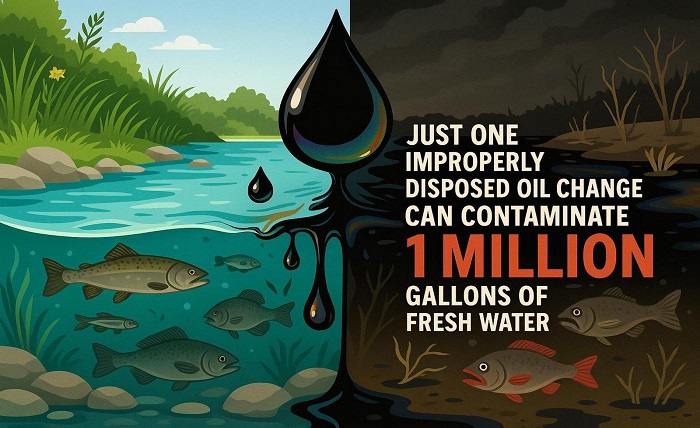
For example, just one oil change’s worth of used oil can make one million gallons of water unsafe to drink-that could supply 50 people for an entire year! Used motor oil doesn’t dissolve in water, sticks to everything, and can contain dangerous chemicals and metals. That’s why these rules exist: to stop pollution, keep water supplies clean, and make sure used oil is either disposed of safely or recycled when possible.
Who Has to Follow Used Oil Rules?
Many types of businesses need to follow these rules if they produce, collect, transport, process, or burn used oil. This includes repair shops, quick lube stations, large factories, grocery stores, and boat docks. These places are considered “generators” of used oil, and they must make sure their used oil is managed correctly. Others involved are collection centers, transporters, companies that re-refine or process used oil, and burners who use oil for fuel. People who change their own oil at home usually don’t have to follow these strict regulations, but they are still urged to recycle responsibly. Farmers who generate less than 25 gallons of used oil per month are often not categorized as generators but are still expected to handle oil safely.
Types of Oil Covered by Reuse Rules
“Used oil” includes a lot of substances. The EPA says it’s any oil made from petroleum or synthetics that’s been used and is now dirty. This means not just car engine oil, but also hydraulic fluids, gear oil in machinery, and many industrial oils. Cooking oils from restaurants also count, since they can cause plumbing problems and pollute if poured down the drain. If the oil came from crude or synthetic sources, was used (as a lubricant or hydraulic fluid, for example), and is dirty from use, it’s most likely considered “used oil” and must be handled by these rules.
Why Follow Oil Reuse Rules?
Following oil reuse rules isn’t just about staying out of trouble. Doing so helps protect your finances, builds trust with customers, and does good for the environment. Once you start managing used oil efficiently, you often find new ways to save money and run your business better.
Running your oil program well can take what might seem like a hassle and turn it into an opportunity to stand out, cut costs, and even earn extra income from recycling oil or related products.
How Compliance Helps You Avoid Fines and Legal Problems
The fastest way to get into trouble is to ignore these oil regulations. The law is clear, and the authorities will fine businesses that break the rules. These fines can be expensive-sometimes enough to threaten the whole business. Beyond fines, you might also have to pay for expensive cleanups or face court action, especially if you are a repeat offender. Your company’s reputation can also take a big hit; being known for polluting the environment is bad for business. For instance, some restaurants in St. Louis have had to close because they didn’t manage their cooking oil properly. Following the rules helps protect your business and keeps your reputation strong.
How Good Oil Management Saves You Money
Taking care of used oil the correct way can actually lower your expenses. You might pay less for trash and hazardous waste disposal because some oil recyclers collect oil for free or pay you for it, especially if it can be turned into something useful like biofuel. This is a big benefit for restaurants that produce a lot of used oil. You can also reduce your need to buy new oil by cleaning and reusing oil or buying re-refined oil, which costs less energy to produce and works just as well as new oil. All of this means more savings and better profits.
Environmental and Community Benefits
Playing by the rules also helps the planet. Recycling oil means it doesn’t end up in landfills or sewers, where it could poison water or soil. Since oil doesn’t break down easily, not recycling it can lead to big, long-lasting problems. Re-refining used oil saves natural resources-it takes less energy to recycle old oil than to make new oil from crude. All this adds up to cleaner water, fewer greenhouse gases, and healthier local communities. Businesses that show they care about the environment can also build better relationships with customers who value green practices.
Simple Steps to Follow Oil Reuse and Recycling Laws
Keeping up with the changing oil rules takes constant awareness and strong systems in your business. It’s not a one-time thing, but an everyday habit when it comes to handling used oil. Below, you’ll find key steps for following the rules-from knowing the basic law to putting good storage, labeling, and record-keeping systems in place.
Make following these rules part of everyday work, not something done only when forced. This way, your business will run more smoothly and you’ll always be ready for an inspection.
Main Federal and State Rules
The Environmental Protection Agency (EPA) sets federal used oil rules, mostly found in Title 40 of the Code of Federal Regulations, part 279. These rules cover general “good housekeeping” for anyone handling used oil, aiming for safe management and recycling. But many states also have their own rules that are even tougher. Make sure to check both federal and local requirements, because just sticking to federal law may not be enough where you operate.
Proper Storage and Labeling of Used Oil
Keeping oil in safe, labeled containers is one of the most basic rules. Every container or tank with used oil must be clearly marked “Used Oil.” This keeps workers from making mistakes that could result in spills or improper disposal. Containers need to be in good shape-no leaks, rust, or damage. Never store oil in open pits or places not meant for this purpose. The EPA also recommends setting up containment systems like dikes or berms to keep spills from spreading, especially at larger facilities.
How to Respond to Oil Spills and Leaks
Spills and leaks can happen, even when you’re careful. The first step is always to stop the oil from leaking further. Move any leaking oil into another safe container right away. Contain the spill with absorbent materials or create barriers to keep it from spreading. Try to recover as much oil as possible and send it to recycling if you can. Anything that soaks up oil (rags, booms, etc.) also needs to be handled like used oil. Keep absorbents on hand and train workers how to use them for fast cleanup.
Good Record Keeping
Keeping clear records isn’t just busywork. Good records show you’re following the rules, which matters if you’re ever checked by an inspector. Generally, if you’re just producing used oil, you might not need an EPA ID number, unless you transport or process oil, in which case you do. You should keep service tickets, logs, or shipping documents for at least three years, tracking where the oil goes after it leaves your site. If you run a restaurant, keeping invoices from your oil recycling company helps show you’re doing things right. If your oil is tested and found to have too many halogens (“rebuttable presumption”), you’ll need strong paperwork showing no hazardous waste was mixed in.
Mixing Used Oil with Other Stuff: What’s Allowed?
The short answer is don’t mix used oil with anything else-especially hazardous waste or chemicals. If you mix oil with these, you can turn your waste into something that’s much more expensive and difficult to handle under hazardous waste laws. The safest way is always to store used oil separately from everything else. If your oil is found to have over 1,000 ppm of total halogens, it will be treated as if it is hazardous unless you can prove otherwise with good records. Just keep oil separate to avoid problems.
How Long Can You Store Used Oil?
There’s no set federal limit on how long a generator can store used oil, as long as it’s in the right type of container and in good shape. But transfer stations-where oil is held before being sent on for processing-can only hold it for up to 35 days; longer than that and they fall under stricter rules. The idea is to keep oil moving through the recycling chain to avoid accidents or environmental risks.
How to Get the Most Savings from Your Oil Reuse Program
There’s more to oil reuse than just following the law. By improving your oil handling, you can save even more. This means finding ways to make oil last longer, avoid waste, and work with trustworthy partners. Smart oil management can turn what used to cost money into something that adds value to your business and helps the environment.
Best Ways to Collect and Separate Used Oil
Start by picking a safe, easy-to-reach spot for storing used oil-somewhere spills are less likely to happen. Use sturdy, leakproof containers (your recycling company may even provide these). Make a habit of transferring oil from your equipment (like fryers or engines) into these storage containers carefully, keeping things clean. If you have different types of used oil, store them separately, since cleaner and separated oils are easier-sometimes cheaper-to recycle.
Handling Oil Filters
Oil filters are often forgotten, but they’re part of used oil waste too. The best practice is to puncture filters and drain them thoroughly, then send the drained oil for recycling. The metal in the filters can also be recycled after draining. Federal rules let you throw away certain drained oil filters as regular trash, but states may have tougher rules-always double check. Handling filters correctly helps you recover more oil, reduce waste, and stay in line with regulations.
How to Reduce Oil Waste and Make Oil Last Longer
You can save money by making your oil work harder. Filtering and treating oil on-site can let you use it longer before replacing it. This means less oil to buy and less waste to deal with. Only change oil when needed, not just by the calendar. Check for leaks in your equipment often, and always fix them quickly. Consider buying oil that’s already been re-refined-it works as well, costs about the same, and supports recycling.
Picking a Good Oil Recycler or Hauler
Your oil reuse program is only as good as the company you choose to take your used oil. Go for companies known for proper recycling and reliability, like Millstadt Rendering. Always check that the company follows all government rules and has the right approvals and certificates. Also look at their schedule and fees-many collect oil for free, especially if it’s used for biofuel. Reliable partners make the whole process worry-free.
Business Examples: Saving Money by Following Oil Reuse Rules
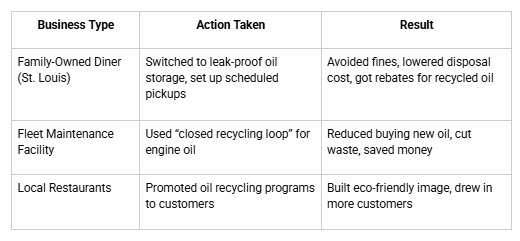
The benefits of following oil reuse rules aren’t just ideas-they’ve worked for many companies. Here are some success stories:
How to Stay Up to Date with Oil Reuse Rules
Oil reuse laws can change. Staying informed means you’ll always be following the rules and can take advantage of any new ways to save money. Keep your business current by combining regular staff training and using reliable sources for regulatory updates.
Training Staff on Oil Procedures
Make sure every employee who handles oil knows the right procedures and why they’re important. Training should include safe oil transfer, using leakproof containers, correct labeling, and how to avoid mixing oil with other materials. Teach what to do in case of spills or leaks. Update training when rules or procedures change, or when you get new equipment.
Finding Reliable Information on Regulations
Check the EPA’s website for up-to-date federal rules and FAQs. For local requirements, always look at your state environmental agency’s website. Industry groups and compliance consultants can also explain new regulations in simple terms. Subscribing to email alerts, attending webinars, and speaking with recycling partners are good ways to keep up with changes.
Frequently Asked Questions about Oil Reuse Compliance
Businesses often have common questions about oil reuse rules. Here are answers to help keep you compliant:
- Does My Business Need an EPA Identification Number?
If you’re just generating used oil, you usually don’t need an EPA ID number. But if you transport, process, or market used oil, you do. If you ship more than 55 gallons of used oil at once, you need a transporter with a valid EPA ID. - Are Used Oil Filters Hazardous Waste?
Usually not, if they’re drained as required and not mixed with hazardous waste. The steel in the filters can be recycled. Some states have stricter rules-check your local guidelines. - Can I Manage Solvents as Used Oil?
No. Cleaners, solvents, antifreeze, and similar materials can’t be managed as used oil. Only segregate and manage used oil by the official rules. - What Is the “Rebuttable Presumption”?
If your used oil has over 1,000 ppm of halogens, it will probably be treated as hazardous waste unless you can prove it wasn’t mixed with hazardous material. Avoid mixing to make compliance easier. - What if I Accidentally Break Oil Rules?
Act quickly-stop the problem, contain the spill, and clean up. Fix any causes, retrain staff, and be honest with authorities. Showing you responded responsibly may help reduce further penalties